 Lazy Intellectuals
Jonny Mansour on the Fight He Took While His Mother Fights Cancer
“I made a promise to my mother that I will become a world champion.” The undefeated Iraqi American boxer fought in Los Angeles in his mother’s last days, because she asked him to. He talked about dreams that keep him up at night, the rich-kid label, faith in a violent sport, and the statue Iraq promised him for an Olympic medal.
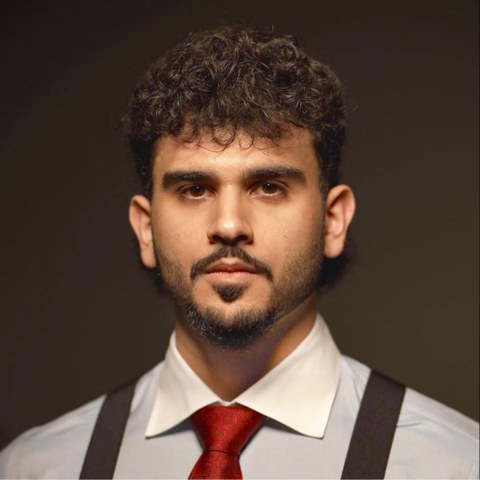
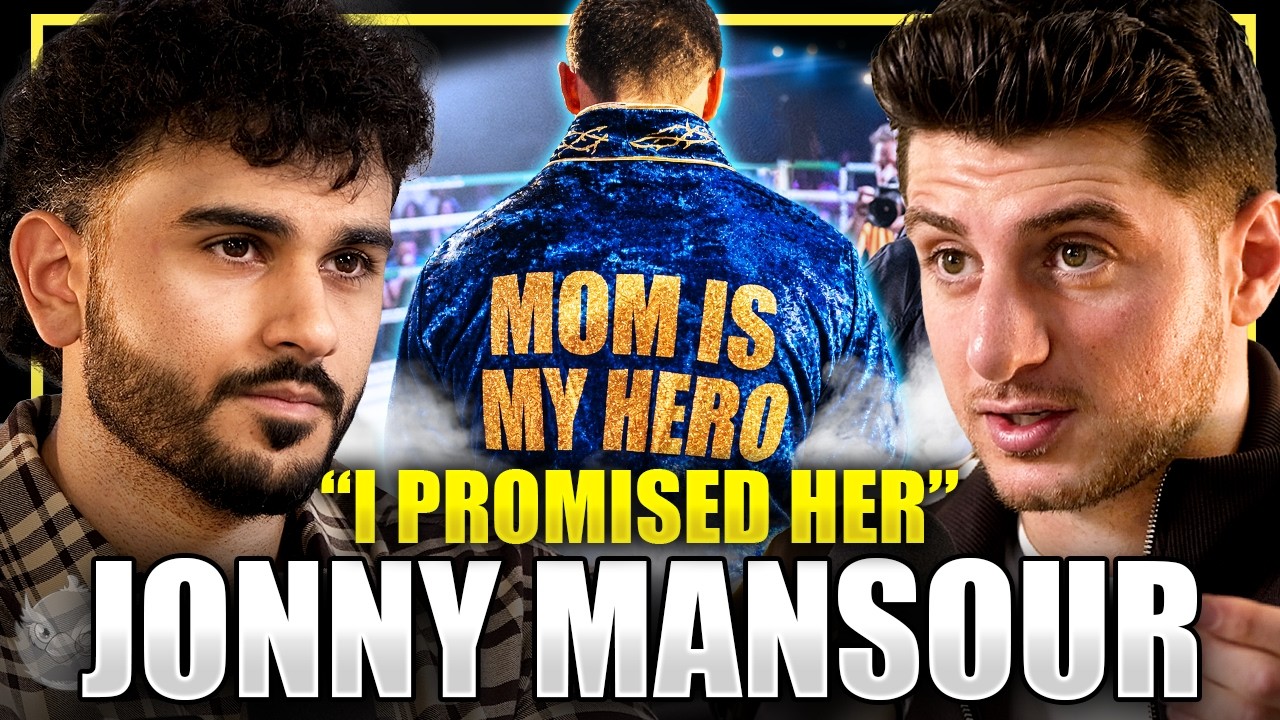
Near the halfway point of our conversation, I read Jonny Mansour a letter. He wrote it to his mother after she lost her battle with cancer. “After losing you, I wanted to quit,” it says. “The one thing that took all my time away from you. The sport of boxing.”
In her last days, he was in Los Angeles for a fight. Everybody had told him not to take it. He took it anyway, because she asked him if he was ready. “We agreed together that if I fight, you fight,” the letter goes on. The last words she sent him, in a video his dad sent to him in LA, were simple: “I’ll be waiting for you, son.”
Mansour is 26 and an undefeated professional at 9-0, with three knockouts. He is a two-time Golden Gloves winner, and before he turned pro he was ranked number one in the country at 132 pounds. He is Iraqi American, raised Catholic, and he talks about boxing the way other people talk about a calling.
Dreams big enough to scare him
I asked him whether his dreams demand too much from him. “My dreams are so big that sometimes I can’t even sleep at night,” he said. “I’m terrified of my dreams.”
The price is easy to list. He wakes up at 6 a.m., doesn’t drink, doesn’t smoke and hardly goes to parties. He went to one school dance, his prom, and one high school football game, the very last one. He asks himself every day why he does it, and his answer is faith. “When God gives you a talent, you’re not supposed to store it and hide it,” he said, pointing to the parable of the talents. “You’re supposed to multiply it.”
He has started to change how he measures it, too. “The medals, the belts, they collect dust,” he said. “The things that you remember forever is the memories that you spend with the people that you’re building with.”
The boy at the library
At 14, he was sitting at a library table when a 17-year-old who once wanted to be a pro baseball player told him that his boxing dream would fade the way his own had. Mansour remembers it like it was yesterday, and he believes God sent that person to him.
“I don’t want to end up like that person,” he remembers telling himself. “The first step to change is realization.” The lesson he took from it is the line he keeps coming back to: “Commitment is the biggest thing towards success.”
The kid who got dropped
He was not born good at this. “I was terrible at boxing,” he said. Early in his amateur career he fought the number one ranked fighter in the world with only 18 fights behind him. In sparring he was “the kid in the gym that used to get put down every single time,” dropped by body shots and getting up crying.
His family did not want him to fight. His mother cried before every fight, and after one loss at a national tournament she asked him to try basketball instead. When his grades slipped, his parents took the gym away for three weeks, so he ran sprints and shadowboxed in the backyard. His uncle Jack kept telling him, “One day it’s going to click.” His brothers called him a scrub. That, he said, is when it clicked.
“I made a promise to my mother that I will become a world champion.”— Jonny Mansour
More than a rich kid
Mansour comes from a family with businesses, and he knows what people say about that. I asked him what his edge is, the thing people can’t see. “Truly is passion,” he said. “I could have took over my dad’s businesses and expanded and been set. But I chose my passion.”
His father also made him work. At 12 he was at the family gas station every night after school and the boxing gym, and in the summers he worked from 8 to 5 before training. He saved up $600 for an iPad. “I had to work for everything,” he said. “He taught me that you have to work hard for everything that you ever want.”
The hurt business
I asked how he reconciles a faith that tells you to love your enemy with a sport built on hurting people. He doesn’t step in the ring angry. “When you fight with your emotion, that’s when you look sloppy and tired,” he said. Every time he has knocked someone out, he said, “I’ve felt bad for it,” and he prays his opponent gets back up safe.
He has also walked away from the trash-talk route to fame. Early on, a company had him throw cash in an opponent’s face. The clip got about 2 million views, and he said it made him feel terrible. “That’s not my character,” he said. “Don’t lose your identity of who you truly are.”
A statue in Baghdad
Mansour was one seat away from representing Team USA at the Olympics twice, in 2020 and 2024. There was no 132-pound class, and he was told he was too small for 139, even after he beat the division’s top fighter at the National Golden Gloves. Now he is training to qualify for the 2028 Olympics for Iraq, the country his parents were born in.
The president of Iraq’s Olympic Committee invited him to Iraq and made him a promise: if he wins any medal for Iraq, a statue in the middle of Baghdad and $1 million. Iraq has not had a medalist since the 1960s. He has seen what happens there when the soccer team wins and when it loses, and he feels the pressure. But it was his father, after the Team USA disappointment, who told him he wanted him to represent Iraq. “He revived my dream,” Mansour said. “I want to make him proud.”
Watch the full interview on YouTube (1 hr 7 min)
Key moments in the episode
Get the next article first
One article for every new interview, plus the link to watch. Free.
Emmanuel Romanous hosts Lazy Intellectuals, a long-form interview show from Greater Phoenix featuring faith leaders, athletes, creators and Assyrian voices. More about Emmanuel →