 Lazy Intellectuals
George Piro, the FBI Agent Who Interrogated Saddam Hussein: “I Was the Only Person He Had”
“I was the only person that he had. And that was on purpose.” He came to America at 12 without a word of English. Two decades later, he spent seven months alone with the dictator. The Assyrian-American agent told Lazy Intellectuals how he got Saddam to talk, the two lies he told him, and why he would not watch the execution.
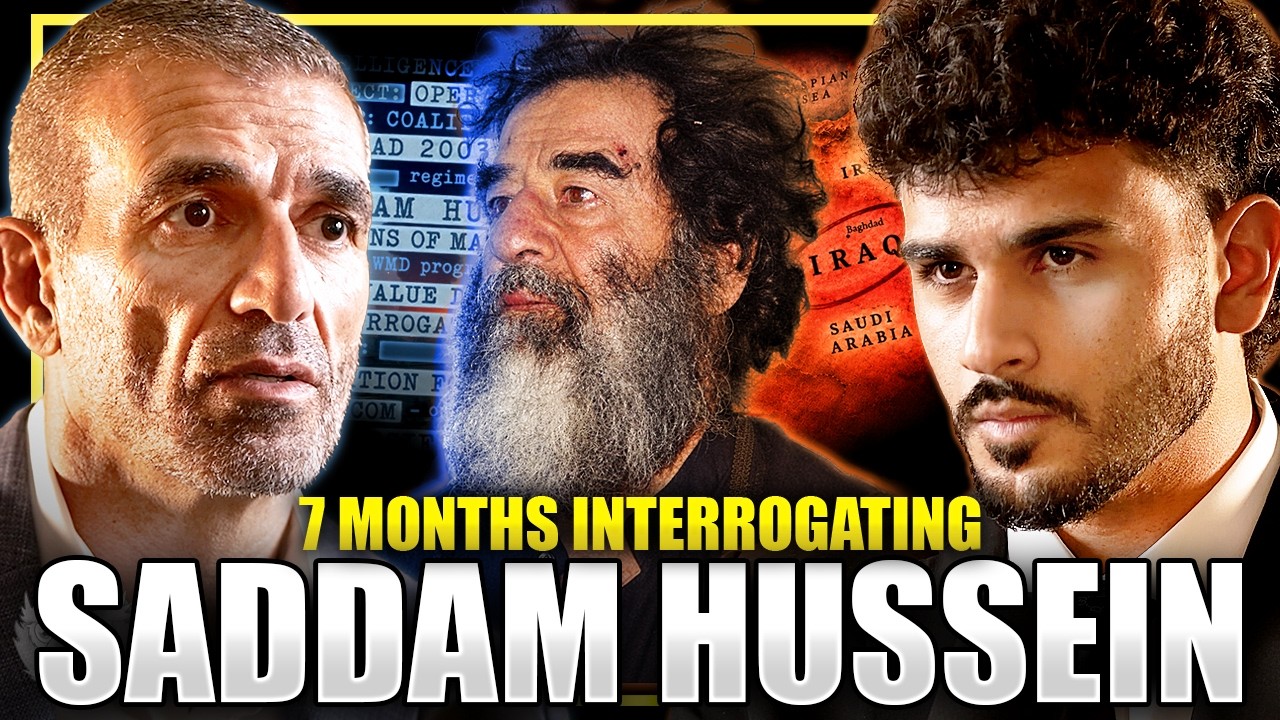
The first time George Piro opened the cell door, Saddam Hussein was sick. The meeting was not supposed to happen. The medical team at the detention facility at Baghdad International Airport needed someone cleared to translate for the doctor, and Piro was the only one who could. “My first thought is, wow, he's bigger than I expected,” he said. Saddam was at least as tall as Piro, who is six-foot-one, and heavier. Piro noted how he would have used that size to intimidate people.
The cell was about nine feet by nine, with no window. It held a military cot with a thin sheet of plywood for Saddam's bad back, a wash basin, a small table for his Quran, and a red plastic lawn chair for his visitor. For seven months, that room would be the center of Piro's life.
Piro sat down with me for more than two hours to talk about those months. I had spent two years trying to book him, ever since I found his name in former CIA analyst John Nixon's book Debriefing the President and recognized it as an Assyrian name.
From Lebanon to the FBI
Piro was born and raised in Lebanon. His family immigrated when he was 12. He became a police officer at 21 in Ceres, California, next to Turlock, and served in the Air Force Reserve, which activated him for Desert Storm; the war ended before he could deploy. When he made detective, an FBI agent learned he spoke Arabic and started recruiting him. Piro had assumed the door was closed to a naturalized immigrant. “It was actually the FBI agent that I met who convinced me that I could become an FBI agent,” he said.
By 2003 he was on the first FBI team sent into Iraq, hunting Saddam and other high-value targets from March through July. That experience, his Arabic and his record with the CIA put him at the top of the list when the bureau needed an interrogator for a joint FBI–CIA operation. He was 36, with less than five years in the bureau. He admits to “some fear and a little bit of reservation” when the call came.
He was told to plan for a year. So he studied everything: books, classified psychological profiles, intelligence reports, televised interviews. “I knew I had to understand Saddam as good as he understood himself, if not better,” he said.
Two lies
Piro says he lied to Saddam only twice. The first came at their first meeting, when Saddam guessed he was Lebanese. Piro said his parents were, but that he had been born in America. He wanted loyalty and patriotism off the table before they ever came up. Saddam asked if he was Christian. Piro said yes, and asked whether that was a problem. Saddam said the Lebanese people loved him, and he loved them.
The second lie was that he had no family. “That's my weakness,” Piro said. An interrogator looks for what a person values, because that is where they are vulnerable. So Saddam, believing his interrogator was single, began giving him advice. He called Piro “the international man” and told him it was time to settle down. He wrote him a poem, promising that whoever heard it would want to marry him on the spot. He also wrote a poem for Piro's mother, to thank her for the cookies she had mailed from California. “He was a bad author and a bad poet,” Piro said.
Saddam held a law degree, and under the Geneva Convention he could refuse to answer anything. Piro played to his ego. He told Saddam he knew he was an attorney who understood the convention better than anyone, and asked him to correct any mistakes as Piro read through his rights. Saddam took the book, said he knew his rights, and agreed to proceed. Later he explained why he kept talking: he believed he could win Piro over and turn him into his advocate in the West. He even suggested Piro write a book about him, in English and Arabic.
“I was the only person that he had. And that was on purpose.”— George Piro
“My heart can't help it”
Piro saw Saddam every morning and every evening, often for five to seven hours, with formal sessions once or twice a week. Most of that time produced no reports at all. It was rapport. The days ran sixteen hours: interviews, notes, reports, preparation, a run, and back to the cell.
Did Saddam come to consider him a friend? “Yes,” Piro said. Did Piro consider Saddam one? “Absolutely not.” The difference was isolation, and it was by design. At one point Saddam went on a hunger strike, Piro believes, because he felt himself losing control. “I remember him saying to me, I know who you are,” Piro recalled. “My head tells me not to speak to you, but my heart can't help it.”
Saddam's tells were easy to read once Piro knew them. Faced with a question he could not answer, he broke eye contact and picked at his fingernails or the lint on his clothes. He hated being called the former president, so Piro stopped using titles. When Piro pressed him about his sons, Saddam first called them heroes and martyrs. Then Piro walked him through their atrocities, one by one. “He threw his hands up and he said, George, stop. You're giving me a headache,” Piro said. “You don't get to pick your kids. You're stuck with what you get.”
The bluff that brought him down
The central question of the interrogation was weapons of mass destruction. Saddam told Piro that Iraq had none. He had let the world believe otherwise to keep Iran at bay; the war with Iran had ended only in a fragile ceasefire. “It was working extremely well for him,” Piro said. “The one thing that he didn't count on and miscalculated was 9/11.”
Piro believes that without 9/11, Saddam's regime would likely have survived. He is blunt about what came after the invasion. “I think we completely mishandled, miscalculated and had no effective plan or strategy for post-Saddam,” he said, “and the Iraqis are suffering as a result.” Disbanding the Iraqi military, he noted, meant firing the country's largest employer.
The execution he would not watch
Both men knew how it would end. Saddam saw himself as a martyr headed for heaven. Piro spent close to six months helping assemble the 687-page prosecutor's report, and when the execution came, he was invited to witness it. He declined. “I didn't want him to see me,” he said. “I didn't want to see him.” He calls the sentence “the most fair, just and appropriate” for crimes that included chemical attacks on women, children and the elderly, though he believes the Iraqis turned a court-ordered execution into a revenge killing.
Ask Piro what the story means to him, and he does not talk about Saddam at all. He talks about a 12-year-old who fled a war and arrived unable to speak English, and who went on to serve as an assistant director of the FBI. And he talks about being Assyrian. “It's in our blood,” he said: the drive, the focus, the discipline. “You're only controlled by the limits that you impose on yourself.”
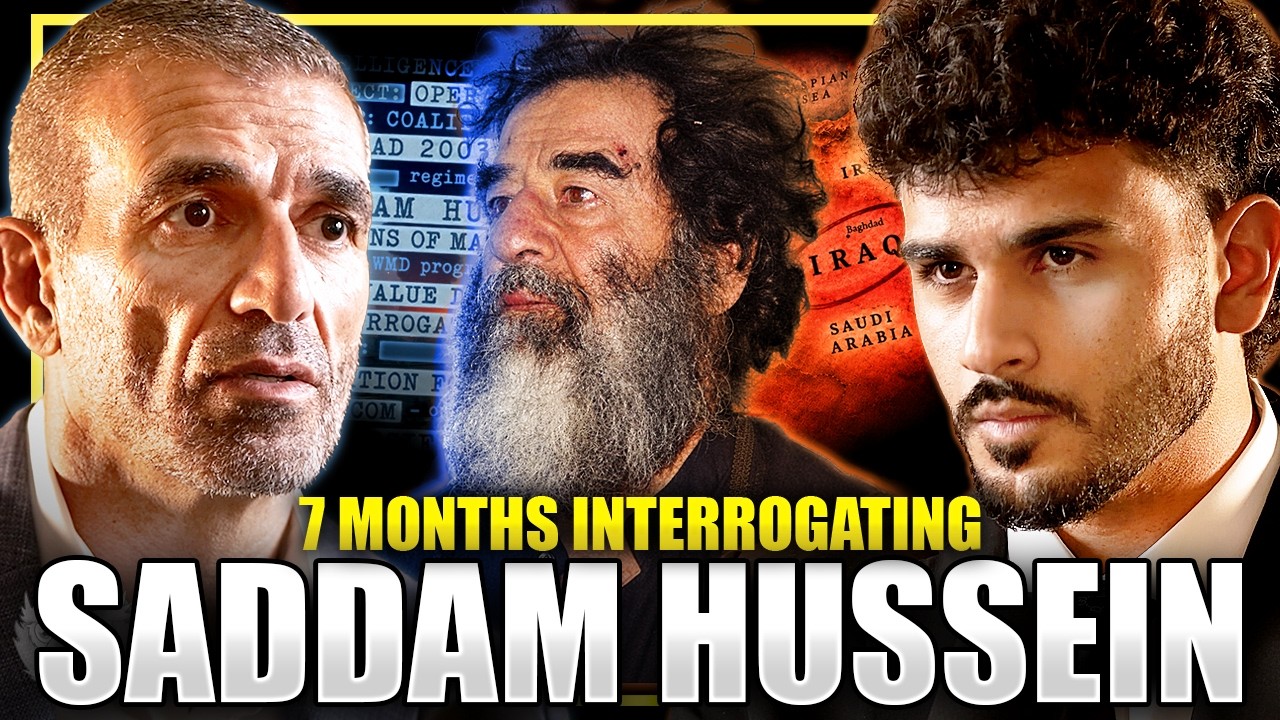 Watch the full interview on YouTube (2 hr 11 min)
Key moments in the episode
- 0:09 The call: being chosen to interrogate Saddam
- 0:21 Preparing to know Saddam “better than he knew himself”
- 0:32 How Piro got Saddam to waive the Geneva Convention
- 0:36 The first face-to-face meeting
- 1:24 “I was the only person that he had”
- 1:27 The poem and the cookies
- 1:47 The WMD bluff aimed at Iran
- 2:06 Why he declined to watch the execution
Get the next article first
One article for every new interview, plus the link to watch. Free.
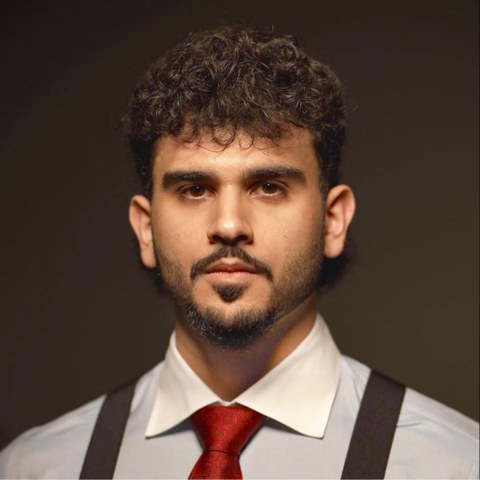
Emmanuel Romanous hosts Lazy Intellectuals, a long-form interview show from Greater Phoenix featuring faith leaders, athletes, creators and Assyrian voices. More about Emmanuel →